Skip to content

Our patients rate us 4.9 out of 5 stars based on 783 Reviews
Vertebral Compression Fractures >>>
Vertebral Compression Fractures: Overview
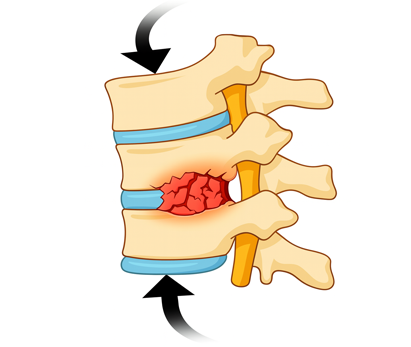
Back pain isn’t always just a normal part of aging, it can be a warning sign of vertebral compression fractures. These occur when the bones of the spine weaken or sustain too much pressure, causing them to collapse in height. The result can be sudden pain, loss of mobility, reduced height, and spinal deformity. In severe cases, fragments of bone may press on the spinal cord or nerves, leading to problems with bowel or bladder function.
Vertebral compression fractures may be caused by osteoporosis, trauma from accidents or falls, or cancer spreading to the spine. Recognizing the symptoms and seeking timely treatment is essential for protecting spinal health and maintaining quality of life.
What Causes Vertebral Compression Fractures?
Vertebral compression fractures happen when a spinal bone (vertebra) becomes too weak or overloaded to support the body’s weight, leading it to collapse in height. The most common causes include:
Osteoporosis – The leading cause, where bones lose density and strength, making them fragile and prone to breaking even from minor stress or daily activities.
Osteoporosis - There is no one single cause; however, the vast majority of vertebral compression fractures are the result of osteoporosis, a condition that causes bones to progressively become thin and fragile. When bones are brittle, even everyday activities and minor traumas, such as lifting a laundry basket, missing a step, or even coughing or sneezing, can cause these tiny fractures.
- Trauma or Injury - People with strong, healthy bones also can sustain compression fractures from a hard fall or blow to the back or torso. Vertebrae can withstand a good deal of shock; however, if the force on the spine is too great, they can break.
- Tumors - Tumors growing in or near the spine are another cause of compression fractures. Doctors frequently monitor those diagnosed with certain types of cancer, including multiple myeloma or lymphoma, for spinal breakage. Tumors also may spread to the spine as a result of cancer in other organs and areas of the body, such as the breasts, lungs, and intestines.
Symptoms
What Are The Symptoms of Vertebral Compression Fractures?
The primary physical symptoms of vertebral fracture include one or more of the following:
- Sudden onset of back pain
- Increase in pain when standing or walking
- Variable pain relief when lying down
- Limited spinal mobility
- Weakness or numbness in the affected areas
- Height loss
- Deformity and disability
- Shortness of breath
These additional symptoms signal the possibility of multiple vertebral fractures:
- Hunched back ("dowager's hump")
- Bulging abdomen
- Gastrointestinal problems - crowding of the internal organs can be a serious side effect of multiple compression fractures.
- Shortness of breath - it's possible for the torso to become so compressed that it's difficult to breathe.
- Hip pain (hip fracture)

Diagnosis
How are Vertebral Compression Fractures Diagnosed?
If you think you may have a compression fracture, see a doctor. Here are some questions your doctor may ask:
- How long have you been in pain? Was the onset sudden or gradual?
- Where is the pain located? What is the intensity?
- Does the pain radiate to other parts of the body?
- In what positions is the pain better or worse?
- Is the pain getting worse or better over time?
Your doctor also may recommend one or more of the following diagnostic tests:
- A spinal X-ray to determine the presence of a fracture.
- An MRI to check for the age of the fracture and other abnormalities in the soft tissues, including nerves and ligaments.
- A nuclear bone scan, another test that can determine the presence and/or age of a fracture.
- DEXA scan
Treatment
What Is the Treatment For Vertebral Compression Fractures?
Treatment of compression fractures includes measures to alleviate the pain, stabilize and repair the fracture, and diagnose the underlying cause of the breakage. Non-surgical treatment options your doctor may recommend include:
Non-Surgical Treatments
- Medications to relieve bone, muscle and nerve pain.
- A reduction in activity or bed rest.
- A spinal brace to limit motion.
- External soft bracing.
- Medication to stabilize or improve bone density.
- Epidural steroid injections – may temporarily decrease nerve irritation and reduce pain
Advanced Surgical Procedures
If compression fractures fail to heal or if pain persists despite non-surgical measures, your doctor may recommend surgery as the next step toward relief. Surgical procedures for treating vertebral compression fractures are usually minimally invasive.
Surgery Option
When Is Surgery Needed for Vertebral Compression Fractures?
Surgery for vertebral compression fractures is usually only considered when non-surgical treatments such as rest, bracing, pain medications, or physical therapy are not enough to relieve symptoms.
If severe pain continues for several weeks despite these measures, surgery may be recommended. In some cases, the fracture can make the spine unstable or cause bone fragments to press on the spinal cord and nerves, leading to numbness, tingling, weakness, or even problems with bowel and bladder control.
Surgery may also be needed when multiple fractures or a significant spinal deformity, such as a hunched posture, greatly affects mobility or quality of life.
Why Choose FASO for Vertebral Compression Fractures?
At Florida Advanced Spine and Orthopedics (FASO), we understand how painful and limiting vertebral compression fractures can be. Our team of highly trained spine specialists offers comprehensive care tailored to each patient’s needs, from accurate diagnosis to advanced treatment options. We combine state-of-the-art imaging, minimally invasive procedures, and personalized rehabilitation plans to ensure the best possible outcomes. Whether your condition requires conservative care or specialized procedures such as vertebroplasty or kyphoplasty, you’ll receive expert guidance every step of the way. At FASO, our goal is to relieve your pain, restore mobility, and help you return to a healthier, more active lifestyle.
- Board-certified orthopedic spine surgeons
- Leading technology and diagnostics
- Personalized care plans
- Accredited surgery centers
Providers

Locations:
Brooksville
Odessa
Tampa
Dr. Farhan N. Siddiqi, MD

Locations:
Clearwater
Odessa
Tampa
Dr. Theodore Fisher, MD

Locations:
Brooksville
Odessa
Wesley Chapel
Dr. Andrew Corbett, D.O.

Locations:
Clearwater
Odessa
Tampa
Dr. Jacob Choi, DO

Locations:
Brooksville
Clearwater
Odessa
Dr. Rushad Juyia, DO

Locations:
Brooksville
Odessa
Dr. Eric Berryman, DO
Appointments

Follow Us On
OPERATING HOURS
Monday - Friday: 8:00 am to 5:00 pm
Saturday and Sunday: Closed
MAIN OFFICE
Call Today For an Appointment!
Phone: 855-3FASTMD (855-332-7863)
Main Fax: 727-372-7236
Tampa Fax: 813-398-3922
Pasco - Pinellas - Hernando - Hillsborough
Copyright © 2022 Fast Centers All Rights Reserved
FASTMD Medical Group Brands