
Our patients rate us 4.9 out of 5 stars based on 783 Reviews
Spinal Stenosis >>>
Spinal Stenosis: Overview
Spinal stenosis is a narrowing of the spinal canal or the openings where nerves exit the spine, which can place pressure on the spinal cord and nerve roots. It most often develops from age-related changes such as degeneration of discs and facet joints, growth of bone spurs (osteophytes), thickening of spinal ligaments, and arthritis of the joints, all of which reduce space for the nerves.
This condition can occur in the central canal, the lateral recess, or the foramina where nerves exit. While nearly everyone experiences some narrowing with age, symptoms depend on how much the nerves are compressed. Most cases are degenerative, but less common causes include crystal deposits, amyloid buildup, or spinal tumors.
Spinal stenosis most often develops in two main regions of the spine:
- Lower back (lumbar spine): The lumbar region is made up of five large vertebrae, labeled L1 through L5, which support much of the body’s weight.
- Neck (cervical spine): The cervical region contains seven vertebrae, labeled C1 through C7, that provide flexibility and support for the head and neck.

What Causes Spinal Stenosis?
Spinal stenosis happens when the open spaces in the spine become narrower, putting pressure on the spinal cord and nerves. The most common cause is age-related wear and tear, but several factors can contribute:
- Bulging or Herniated Discs – As you age, spinal disks can dry out, crack, and bulge, causing the inner material to press on nearby nerves.
- Degenerative changes – Breakdown of the spinal discs and facet joints over time.
- Bone spurs (osteophytes) – Extra bone growth from arthritis or stress on the spine that encroaches into the spinal canal.
- Thickened ligaments – The ligamentum flavum and other spinal ligaments can stiffen and thicken with age, reducing space for nerves.
- Arthritis – Osteoarthritis in the facet joints leads to joint enlargement and narrowing of nerve passageways.
- Spinal fractures and injuries – Fractured or displaced vertebrae or nearby bones can reduce the space within your spinal canal.
Symptoms
What Are The Symptoms of Spinal Stenosis?
Not everyone with spinal stenosis has symptoms. Some may have no pain at all, while others may have difficulty walking. The severity varies from person to person, but common symptoms include:
Symptoms of lumbar spinal stenosis
- Pain in your lower back
- Pain with standing or walking – Often felt in the buttocks, thighs, or legs.
- Leg pain without back pain – Some people notice weakness, tingling, or numbness in the legs.
- Relief with bending forward – Riding a bike, or walking uphill reduces discomfort.
- Worsening with extension – Walking downhill or standing upright may bring symptoms back.
- Numbness, tingling, or weakness – In the lower extremities when the nerves are compressed.
Symptoms of cervical spinal stenosis
- Neck Pain
- Numbness, tingling, or weakness in the arms, hands, legs, or feet
- Loss of balance or coordination (difficulty walking, frequent stumbling).
- Decreased hand function (trouble with buttons, writing, or gripping objects)
- Radiating pain from the neck into the shoulders and arms
Spinal stenosis often develops gradually, which means you may not notice symptoms right away, even if it appears on an X-ray or scan. When symptoms do occur, they can vary from person to person and may come and go over time.

Diagnosis and Tests
How Is Spinal Stenosis Diagnosed?
Your healthcare provider will start by reviewing your medical history, asking about symptoms, and performing a physical exam. This may include gently pressing on your spine to check for pain and asking you to bend in different directions to see if movement triggers symptoms.
Imaging tests are also used to get a closer look at your spine and pinpoint the exact problem. These may include:
- X-ray: Shows bone changes such as loss of disk height or bone spurs.
- MRI: Provides detailed images of nerves, disks, and the spinal cord, and can also detect tumors.
- CT scan / CT myelogram: Produces cross-sectional images of the spine, with contrast dye in a CT myelogram to better highlight the spinal cord and nerves.
Management and Treatment
What Is the Treatment for Spinal Stenosis?
Your doctor will explain what your diagnosis means and review the treatment options available. In most cases where there is no significant nerve compression or muscle weakness, the first step is conservative care, such as non-steroidal anti-inflammatory medications (NSAIDs) and physical therapy. Surgery is usually considered only if rest, medication, and therapy do not provide lasting relief from pain, numbness, or weakness over time. Because surgery carries both potential benefits and risks, your surgeon will carefully review these with you and help you understand the expected results compared to non-surgical treatment.
Non-Surgical Treatments
Nonsurgical treatments for spinal stenosis focus on relieving pain, reducing inflammation, and improving mobility. Common options include physical therapy to strengthen supporting muscles and improve flexibility, and non-steroidal anti-inflammatory drugs (NSAIDs) to ease pain and swelling. Lifestyle changes, such as staying active with low-impact exercises like walking or swimming, can also help maintain function. Some patients benefit from epidural steroid injections, which may temporarily reduce nerve irritation. Heat, ice, and activity modifications are often used as well. These approaches don’t correct the narrowing in the spine, but they can significantly improve comfort and quality of life for many people.
- Medications – such as non-steroidal anti-inflammatory drugs (NSAIDs) or pain relievers to reduce inflammation and discomfort
- Physical therapy – exercises to strengthen the core and back muscles, improve flexibility, and support posture
- Activity modification – avoiding activities that worsen symptoms and using positions that relieve pain (like bending forward)
- Heat or ice therapy – to relax muscles and reduce inflammation
- Epidural steroid injections – may temporarily decrease nerve irritation and reduce pain
Advanced Surgical Procedures
When Is Surgery Necessary?
Surgery is only recommended after physical therapy, rest, and medications have failed to adequately relieve the symptoms of pain, numbness and weakness over a significant period of time. The benefits of spine surgery, however, must be weighed against the risks. Your surgeon will be able to discuss the risks and benefits of surgery with you, and the likely results of operative versus non-operative treatment.
- When conservative treatments no longer work
- Severe mobility issues
- Loss of quality of life
Why Choose FASO for Spinal Stenosis?
Florida Advanced Spine & Orthopedics offers a high standard of, patient-centered spine care with impressive outcomes. 96% of patients improve without surgery, thanks to a robust range of non-invasive options that prioritize recovery and quality of life. Their expertise includes highly specialized, minimally invasive treatments like the MEND® procedure, which often avoids the need for major fusion surgeries and promotes faster healing with much smaller incisions.
- Board-certified orthopedic spine surgeons
- Leading technology and diagnostics
- Personalized care plans
- Accredited surgery centers
Providers
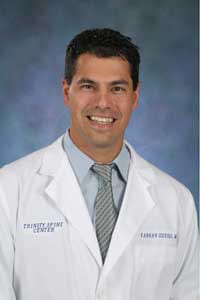
Locations:
Brooksville
Odessa
Tampa
Dr. Farhan N. Siddiqi, MD
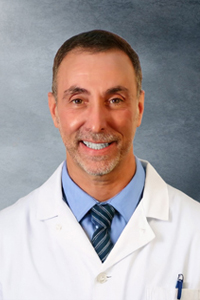
Locations:
Clearwater
Odessa
Tampa
Dr. Theodore Fisher, MD

Locations:
Brooksville
Odessa
Wesley Chapel
Dr. Andrew Corbett, D.O.
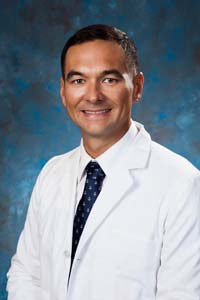
Locations:
Clearwater
Odessa
Tampa
Dr. Jacob Choi, DO

Locations:
Brooksville
Clearwater
Odessa
Dr. Rushad Juyia, DO
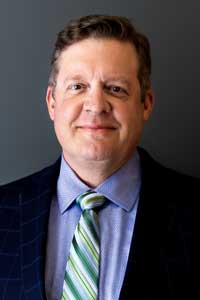
Locations:
Brooksville
Odessa
Dr. Eric Berryman, DO
FAQ
Appointments

Florida Advanced Spine and Orthopedic Accepted Insurances
Aetna - Cigna - Blue Cross Blue Shield - TRICARE - Medicare - United Healthcare - Humana - Lantern - Auto Insurance - Worker’s Comp

Follow Us On
OPERATING HOURS
Monday - Friday: 8:00 am to 5:00 pm
Saturday and Sunday: Closed
MAIN OFFICE
Call Today For an Appointment!
Phone: 855-3FASTMD (855-332-7863)
Main Fax: 727-372-7236
Tampa Fax: 813-398-3922
Pasco - Pinellas - Hernando - Hillsborough
Copyright © 2022 Fast Centers All Rights Reserved