
Our patients rate us 4.9 out of 5 stars based on 783 Reviews
Scoliosis >>>
Scoliosis: Overview
Scoliosis is a sideways curvature of the spine that often develops during childhood or adolescence. While mild cases may cause few issues, more severe curves can lead to uneven posture, back pain, or limited mobility. Treatment options range from observation and bracing to physical therapy and, in serious cases, surgery.

What Causes Scoliosis?
The exact cause of scoliosis depends on the type:
- Idiopathic Scoliosis – The most common form, especially in children and teens, has no known single cause. Research suggests genetics may play a role.
- Congenital Scoliosis – Present at birth, caused by spinal bones that develop abnormally in the womb.
- Neuromuscular Scoliosis – Results from conditions such as cerebral palsy, muscular dystrophy, or spinal cord injuries that weaken the muscles supporting the spine.
- Degenerative Scoliosis – Usually develops in older adults as discs and joints in the spine wear down with age.
In many cases, scoliosis is not due to poor posture, heavy backpacks, or lifestyle choices. Instead, it is linked to how the spine and surrounding muscles and nerves develop over time.
The Two Types of Scoliosis
Type I - Adolescent Scoliosis
A healthy spine has natural front-to-back curves in the neck, upper back, and lower back that help with balance and alignment. When viewed from behind, however, it should appear straight. In scoliosis, the spine curves sideways into an “S” or “C” shape, and the vertebrae may rotate, causing uneven shoulders, waist, or hips.
Scoliosis affects about 2% of females and 0.5% of males. While it can result from congenital deformities, neuromuscular conditions, or differences in leg length, more than 80% of cases are idiopathic—meaning the cause is unknown. Family history increases the risk, making early detection important.
Types of Idiopathic Scoliosis
- Infantile – age 3 and under
- Juvenile – ages 3–9
- Adolescent – ages 10–18 (most common, ~80% of idiopathic cases)
- Adult – after skeletal maturity
The most frequent type is adolescent idiopathic scoliosis (AIS), which often appears around puberty.
Type II - Adult Scoliosis
While gentle curves in the neck, upper back, and lower back are a normal part of spinal alignment, the spine should appear straight when viewed from behind. In adults with scoliosis, the spine instead forms an abnormal sideways curve resembling an “S” or a “C.” In many cases, the vertebrae also rotate, which can lead to uneven shoulders, hips, or waist.
Adult scoliosis may be a continuation of adolescent scoliosis that was never treated, or it can develop later in life due to degenerative changes in the spine. This condition, known as degenerative or de novo scoliosis, often results from age-related disc wear, arthritis, or spinal imbalances.
Warning Signs in Adults
- Uneven shoulders, waist, or hips
- Noticeable spinal curvature when standing
- Back pain or stiffness, especially after activity
- Numbness or weakness in the legs (if nerves are affected)
Early diagnosis and treatment are important to manage symptoms, slow progression, and maintain mobility. Depending on severity, treatment may include physical therapy, bracing, pain management, or surgery in advanced cases.
Diagnosis
How Is Scoliosis Diagnosed?
For many adolescents, scoliosis does not cause pain. However, if the spinal curve worsens without treatment, it can eventually lead to back pain, discomfort in other parts of the body, visible deformity, and additional health problems.
In some young people, the curve is so mild that it isn’t noticeable during everyday activities. When signs do appear, they may include:
- Uneven shoulders, with one shoulder blade more prominent than the other
- Head not centered over the pelvis
- A raised or prominent hip
- Rib cages at different heights
- Uneven waistline
- Skin changes along the spine, such as dimples, patches of hair, or areas of discoloration
- A tendency to lean the body to one side
If you notice any of these signs, it’s important to schedule an exam with a doctor. A common screening tool used by pediatricians and in schools is the Adam’s Forward Bend Test. In this test, the child stands with feet together and bends forward 90 degrees at the waist. From this position, an examiner can easily spot asymmetry in the trunk or abnormal spinal curves. While this test is simple and effective for detecting potential problems, it cannot measure the exact severity of scoliosis.
If scoliosis is suspected, the diagnosis is confirmed with imaging tests such as X-rays, CT scans, or MRIs. The degree of curvature is measured using the Cobb Method:
- Curves greater than 25–30 degrees are considered significant.
- Curves greater than 45–50 degrees are classified as severe and may require more aggressive treatment.
Treatment
What Is the Treatement For Scoliosis?
For adults with scoliosis, treatment goals differ from those who are still growing. Non-surgical options such as medication, exercise, physical therapy, and bracing are usually recommended first to manage pain and symptoms. Surgery is considered a last resort, as it carries greater risks and complications with age, especially in individuals with degenerative spine changes or osteoporosis. In select cases, surgical correction may be discussed if non-surgical treatments fail to provide relief.
Surgical goals for treating adult scoliosis typically include:
- Reducing the curve (straightening the spine as much as possible)
- Stopping the progression of the curve
- Removing pressure from the nerves and spinal cord
- Protecting the nerves and spinal cord from further damage
- In older patients, allowing nerve decompression to improve neurological
function of the lower extremities.

When Is Surgery Necessary for Scoliosis?
Surgery for scoliosis is usually considered only when non-surgical treatments are no longer effective and the condition is causing significant problems. Common reasons a surgeon may recommend surgery include:
- Severe spinal curvature (generally greater than 40–50 degrees) that is likely to worsen over time
- Progressive curvature that continues to increase despite bracing or other treatments
- Persistent pain that does not improve with medication, physical therapy, or lifestyle changes
- Nerve involvement, such as numbness, tingling, or weakness in the legs due to spinal cord or nerve compression
- Compromised lung or heart function from severe curvature affecting the rib cage
For adults, surgery is usually a last resort because recovery is more difficult, and risks increase with age, osteoporosis, or degenerative changes in the spine. The decision is made carefully, balancing the potential benefits of pain relief and improved alignment with the risks of a major spinal procedure.
Why Choose Florida Advanced Spine and Orthopedics?
At Florida Advanced Spine and Orthopedics (FASO), we provide comprehensive, personalized care for patients with scoliosis. Our team of board-certified spine specialists uses the latest diagnostic tools to accurately assess your condition and design a treatment plan tailored to your needs. From non-surgical therapies such as physical therapy, bracing, and pain management to advanced surgical options when necessary, we focus on maximizing comfort, improving mobility, and preventing further spinal progression. With compassionate care, cutting-edge techniques, and a commitment to patient education, FASO is dedicated to helping you achieve the best possible outcome.
- Board-certified orthopedic spine surgeons
- Leading technology and diagnostics
- Personalized care plans
- Accredited surgery centers
Providers
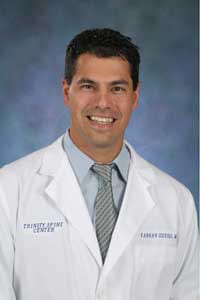
Locations:
Brooksville
Odessa
Tampa
Dr. Farhan N. Siddiqi, MD
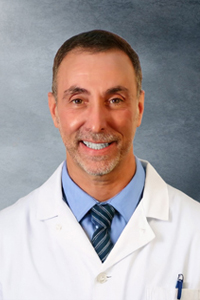
Locations:
Clearwater
Odessa
Tampa
Dr. Theodore Fisher, MD
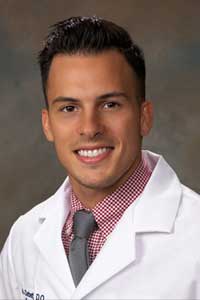
Locations:
Brooksville
Odessa
Wesley Chapel
Dr. Andrew Corbett, D.O.
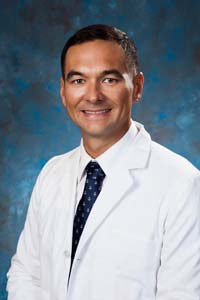
Locations:
Clearwater
Odessa
Tampa
Dr. Jacob Choi, DO
Locations:
Brooksville
Clearwater
Odessa
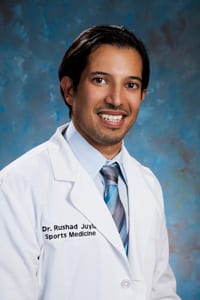
Dr. Rushad Juyia, DO
Locations:
Brooksville
Odessa
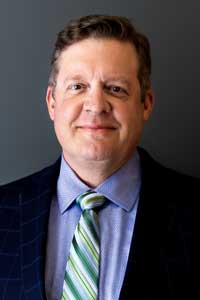
Dr. Eric Berryman, DO
Appointments

Follow Us On
OPERATING HOURS
Monday - Friday: 8:00 am to 5:00 pm
Saturday and Sunday: Closed
MAIN OFFICE
Call Today For an Appointment!
Phone: 855-3FASTMD (855-332-7863)
Main Fax: 727-372-7236
Tampa Fax: 813-398-3922
Pasco - Pinellas - Hernando - Hillsborough
Copyright © 2022 Fast Centers All Rights Reserved