Skip to content
Our patients rate us 4.9 out of 5 stars based on 783 Reviews
Herniated Disc Specialists >>>
Herniated Disc: Overview
A herniated disc, also called a bulging disc, ruptured disc or slipped disc, occurs when the inner core of the spinal disc pushes out through the outer layer of the disc.
Herniation describes an abnormality of the intervertebral disc that is also known as a "slipped," "ruptured" or "bulging" disc. This process occurs when the inner core (nucleus pulposus) of the intervertebral disc bulges out through the outer layer of ligaments that surround the disc (annulus fibrosis). This tear in the annulus fibrosis causes pain in the back at the point of herniation. If the protruding disc presses on a spinal nerve, the pain may spread to the area of the body that is served by that

What Causes a Herniated Disc?
Disc herniation is usually caused by wear-and-tear over time (degenerative disc disease), but it can also occur suddenly from injury, heavy lifting, or strain, especially if combined with risk factors like age, weight, or poor posture. Several factors can increase the likelihood of developing a herniated disc such as:
- Excess weight – Carrying extra body weight adds stress to the discs in your lower back.
- Physically demanding work – Jobs that involve repetitive lifting, pulling, pushing, twisting, or bending put added strain on the spine..
- Family history – Genetics can play a role, as some people are more prone to disc problems.
- Prolonged sitting or driving – Spending long hours seated, especially with vibration from a vehicle, increases spinal pressure.
- Lack of exercise – A sedentary lifestyle weakens supporting muscles, while regular activity helps protect spinal health.
Symptoms
What Are the Symptoms of a Herniated Disc?
Usually, the main symptom is sharp, acute pain. In some cases, there may be a previous history of localized low back pain, with pain also extending down the leg served by the affected nerve. This pain is usually described as a deep, sharp pain, which gets worse as it moves down the affected leg. The onset of pain with a herniated disc may occur suddenly or it may be preceded by a tearing or snapping sensation in the spine, which may be attributed to a sudden rupture in the annulus fibrosis.
- Back or neck pain – usually sharp or radiating, depending on where the disc is herniated.
- Arm or leg pain (sciatica) – shooting pain down the buttock, leg, or arm caused by nerve compression.
- Numbness or tingling – often felt in the areas served by the affected nerves.
- Muscle weakness – weakness in the leg, foot, or arm, making it hard to lift or grip things.
- Worsening pain with movement – coughing, sneezing, or bending can intensify the pain.

Diagnosis
How Is a Herniated Disc Diagnosed?
A patient with a herniated disc typically experiences low back pain, which may or may not radiate into other areas of the body, such as the leg. They often have a limited range of motion, especially when bending forward or leaning backward, and may lean to one side in an effort to reduce discomfort. In some cases, patients walk with a painful, protective gait, flexing the affected leg to avoid putting too much weight on the painful side.
A positive straight leg raise test can suggest tension on the nerve root. During a neurological examination, doctors may also detect abnormalities in muscle strength or sensation in specific regions of the body, which provide objective evidence of nerve root compression.
For imaging, an MRI scan is the preferred diagnostic test for a herniated disc. However, a CT (CAT) scan can also be useful, as it offers clearer visualization of the bony structures in the spine and helps pinpoint the location of nerve root pressure.
Treatment
What Is the Treatment for a Herniated Disc?
Treatment for the vast majority of patients with a herniated disc does not normally include surgery. Most patients will respond to conservative therapy, such as medication, rest and physical therapy. Treatment is most effective when a patient and a doctor have a good relationship and the patient understands the rationale behind the prescribed treatment.
Non-Surgical Treatments
Usually treatment will begin with a modification of activity and then a gradual return to protected activities. Sitting, bending, lifting and twisting are not beneficial for this condition because they put a large amount of stress and pressure on the lumbar spine, which may increase the pressure on the affected nerve root. The appropriate use of medication is an important part of conservative treatment. This can include anti-inflammatory drugs, analgesics and muscle relaxants. Your doctor also may recommend an anti-inflammatory spinal injection for the area of the affected nerve root to lessen swelling and irritation caused by the damaged disc.
Non-Surgical Treatments May Include:
- Medications – such as non-steroidal anti-inflammatory drugs (NSAIDs) or pain relievers to reduce inflammation and discomfort
- Physical therapy – exercises to strengthen the core and back muscles, improve flexibility, and support posture
- Activity modification – avoiding activities that worsen symptoms and using positions that relieve pain (like bending forward)
- Heat or ice therapy – to relax muscles and reduce inflammation
- Epidural steroid injections – may temporarily decrease nerve irritation and reduce pain
Advanced Surgical Procedures
Surgery Option
When Is Surgery Needed for a Herniated Disc?
Surgery is only recommended after physical therapy, rest, and medications have failed to adequately relieve the symptoms of pain, numbness and weakness over a significant period of time. The benefits of spine surgery, however, must be weighed against the risks. Your surgeon will be able to discuss the risks and benefits of surgery with you, and the likely results of operative versus non-operative treatment.
- When conservative treatments no longer work
- Severe mobility issues
- Loss of quality of life
Why Choose FASO for Back & Neck Pain Treatment?
At Florida Advanced Spine and Orthopedics (FASO), we specialize in diagnosing and treating complex spine conditions with a patient-first approach. Our board-certified spine surgeons use the latest minimally invasive techniques and advanced imaging to pinpoint the root cause of your pain and develop a treatment plan tailored to your needs. Whether you're dealing with herniated discs, spinal stenosis, or chronic neck and back pain, our team is committed to restoring your mobility and improving your quality of life. With compassionate care, state-of-the-art technology, and a proven track record of successful outcomes, FASO is your trusted partner in spine health.
- Board-certified orthopedic spine surgeons
- Leading technology and diagnostics
- Personalized care plans
- Accredited surgery centers
Providers
Locations:
Brooksville
Odessa
Tampa
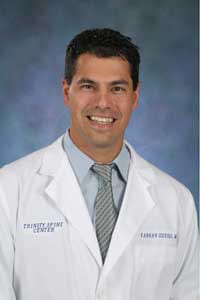
Dr. Farhan N. Siddiqi, MD
Locations:
Clearwater
Odessa
Tampa
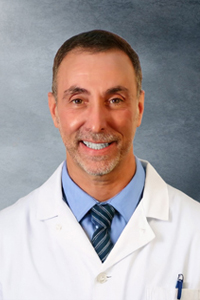
Dr. Theodore Fisher, MD
Locations:
Brooksville
Odessa
Wesley Chapel
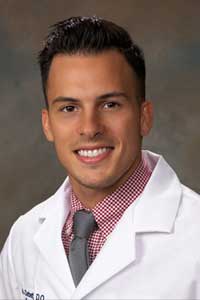
Dr. Andrew Corbett, D.O.
Locations:
Clearwater
Odessa
Tampa
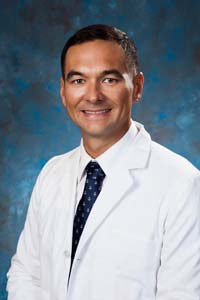
Dr. Jacob Choi, DO
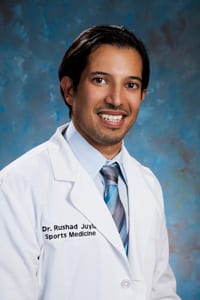
Locations:
Brooksville
Clearwater
Odessa
Dr. Rushad Juyia, DO
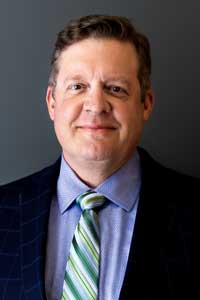
Locations:
Brooksville
Odessa
Dr. Eric Berryman, DO

Florida Advanced Spine and Orthopedic Accepted Insurances
Aetna - Cigna - Blue Cross Blue Shield - TRICARE - Medicare - United Healthcare - Humana - Lantern - Auto Insurance - Worker’s Comp
Appointments

Follow Us On
OPERATING HOURS
Monday - Friday: 8:00 am to 5:00 pm
Saturday and Sunday: Closed
MAIN OFFICE
Call Today For an Appointment!
Phone: 855-3FASTMD (855-332-7863)
Main Fax: 727-372-7236
Tampa Fax: 813-398-3922
Pasco - Pinellas - Hernando - Hillsborough
Copyright © 2022 Fast Centers All Rights Reserved